Visibility Analysis

Find where your brand appears—and what is holding it back

Viziquo’s Visibility Analysis examines how your brand performs across real buyer questions, AI providers, buyer intents, personas, competitors, citations, and retrieved sources. It moves beyond a single visibility score to show where discovery succeeds, where it breaks down, and what is shaping the answers buyers receive.

The result is a reviewed analysis your marketing, content, SEO, brand, and competitive teams can investigate together. Every conclusion can be traced into the conversations, citations, and search evidence behind it.
Analyze a defined body of buyer conversations

Every Visibility Analysis states the audit date, number of conversations, AI providers tested, and the market model used for the run. You can select a completed analysis, move directly to a major section, and download the reviewed analysis as a PDF.

This context makes the results interpretable and shareable. Visibility is always evaluated against a defined set of buyers, questions, providers, and evidence—not presented as a universal score without a denominator.

Explore

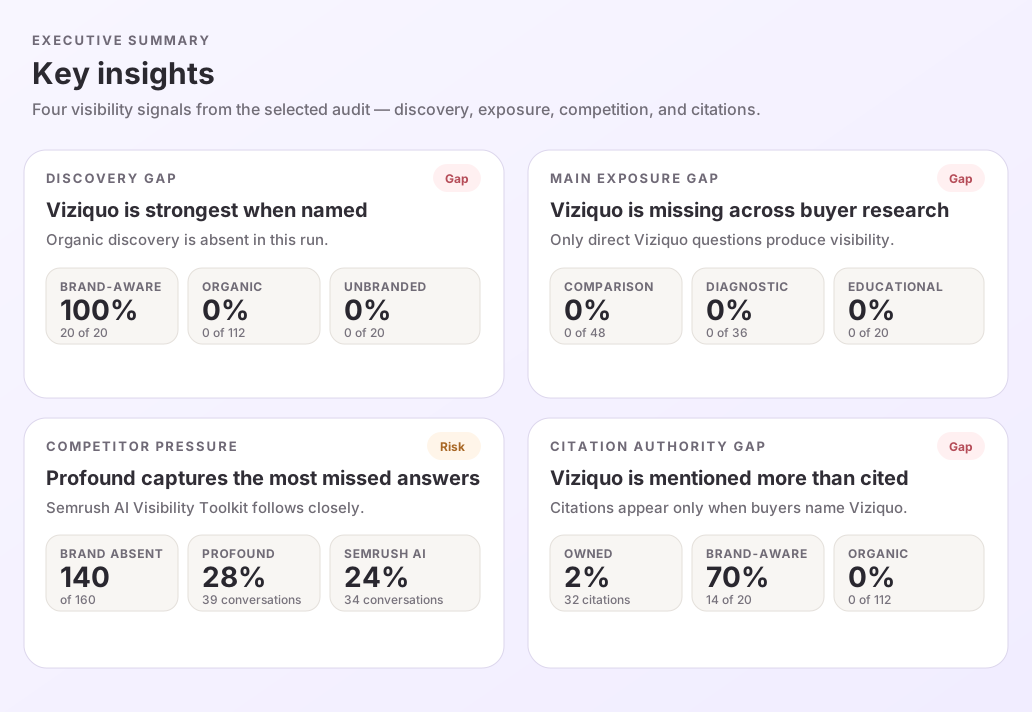
Key insights

What you see

A reviewed synthesis of the most important signals from the selected analysis, covering discovery, exposure, competitive pressure, and citation authority.

What it tells you

The central visibility problem, where it occurs in the buying journey, who benefits when your brand is absent, and whether your own sources are influencing the answers.

Why it matters

Teams can begin with the conclusions that deserve attention before investigating the supporting dimensions and evidence.

Viziquo
Viziquo Visibility Analysis key insights covering discovery, exposure, competition, and citation authority

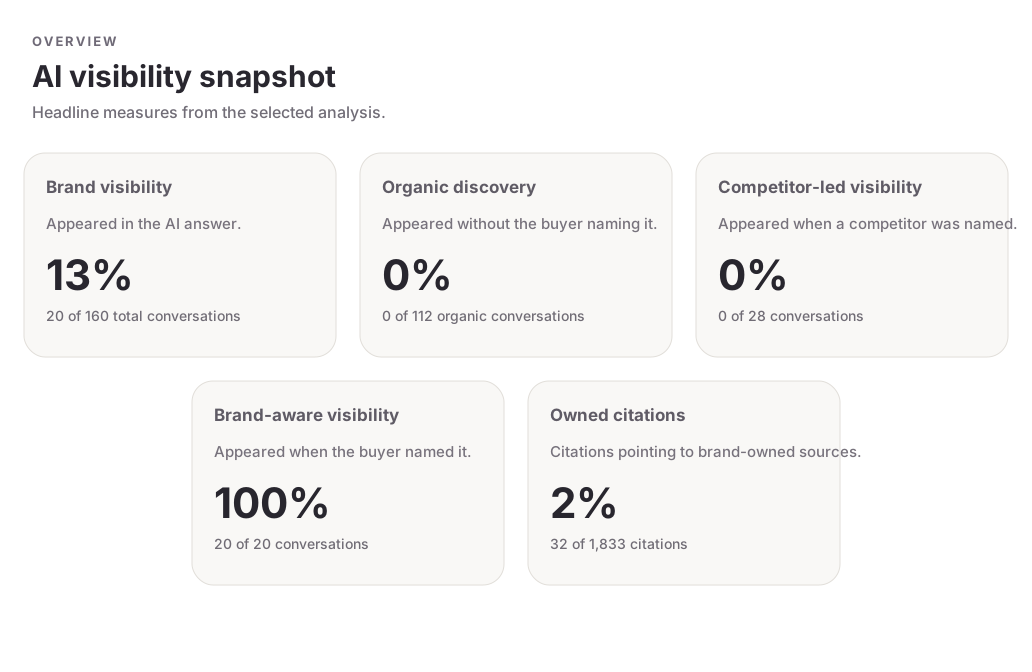
AI visibility snapshot

What you see

Headline measures for overall brand visibility, organic discovery, competitor-led visibility, brand-aware visibility, and owned citations, each shown with its underlying evidence base.

What it tells you

Whether your brand appears at all, whether AI assistants introduce it without prompting, whether competitor questions lead back to it, whether direct-name questions produce recognition, and whether your website supplies cited evidence.

Why it matters

The measures separate different kinds of visibility that a single blended score would conceal. Teams can identify whether the immediate weakness is discovery, competitive association, direct recognition, citation authority, or a combination of them.

Viziquo
Viziquo AI visibility snapshot showing five visibility and citation measures

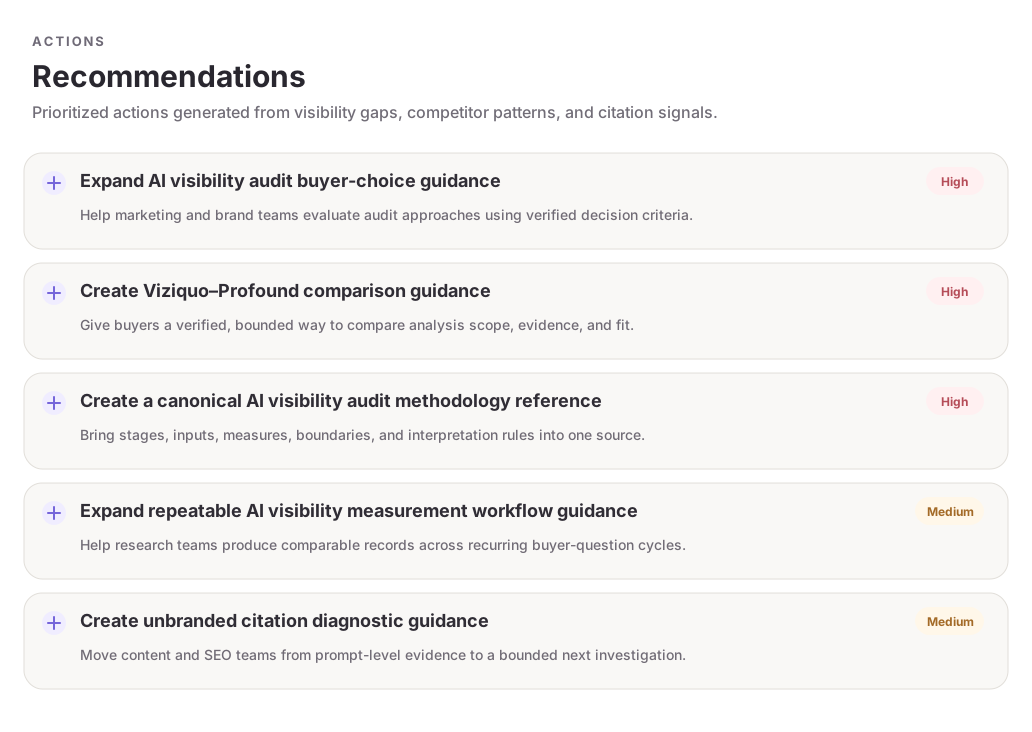
Recommendations

What you see

Prioritized actions derived from the audit’s visibility gaps, competitor patterns, and citation signals, with the rationale and expected contribution attached to each recommendation.

What it tells you

Which visibility improvements deserve attention, why they were selected, and what evidence should change if the work succeeds.

Why it matters

The analysis produces a defensible order of work rather than leaving teams with observations they must translate into a plan themselves.

Viziquo
Viziquo visibility recommendations prioritized by audit evidence

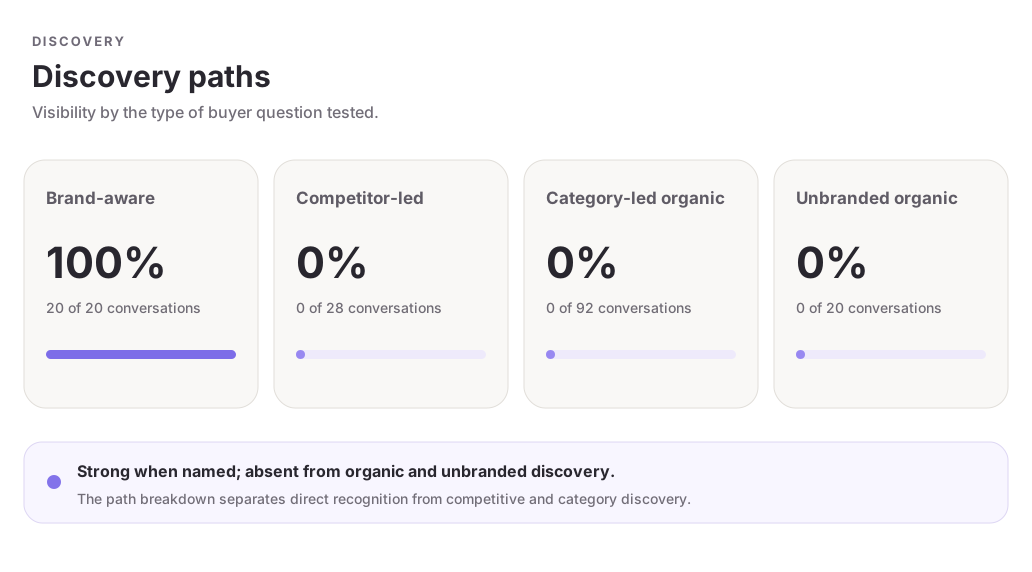
Discovery paths

What you see

Visibility separated into brand-aware, competitor-led, category-led organic, and unbranded organic discovery paths.

What it tells you

Whether buyers must already know your name, whether competitor comparisons introduce your brand, and whether AI assistants discover it through category or problem-led questions.

Why it matters

Each discovery path requires different supporting authority. The breakdown helps teams distinguish a recognition problem from a category-discovery or competitive-association problem.

Viziquo
Viziquo discovery paths across brand-aware, competitor-led, category-led, and unbranded questions

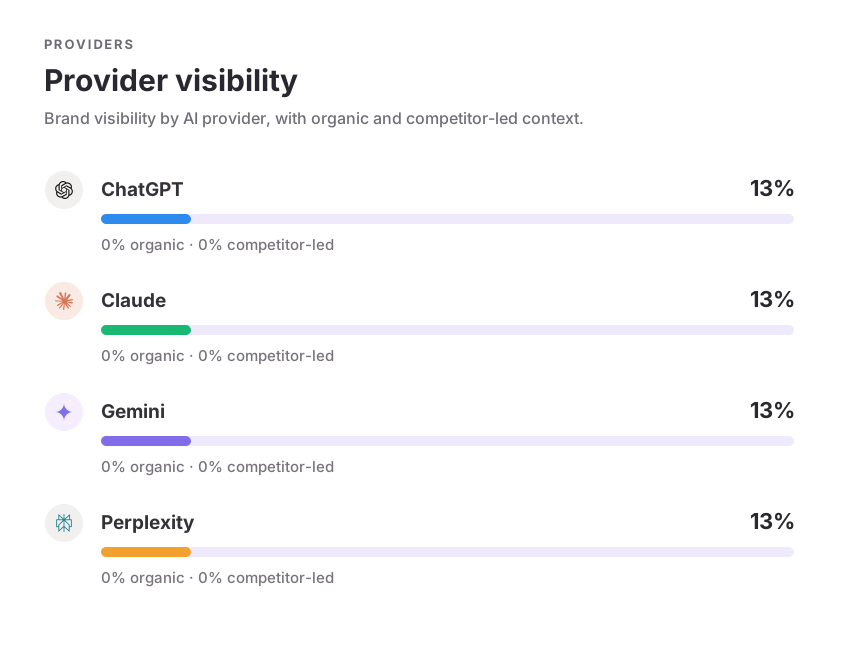
Provider visibility

What you see

Brand visibility for ChatGPT, Claude, Gemini, and Perplexity, with organic and competitor-led context for each provider.

What it tells you

Whether a visibility gap is concentrated in one AI assistant or repeated across providers—and whether apparently similar overall results are produced by different discovery paths.

Why it matters

Teams can avoid treating a broad authority problem as a platform anomaly, while still identifying provider-specific differences that merit investigation.

Viziquo
Viziquo visibility across ChatGPT, Claude, Gemini, and Perplexity

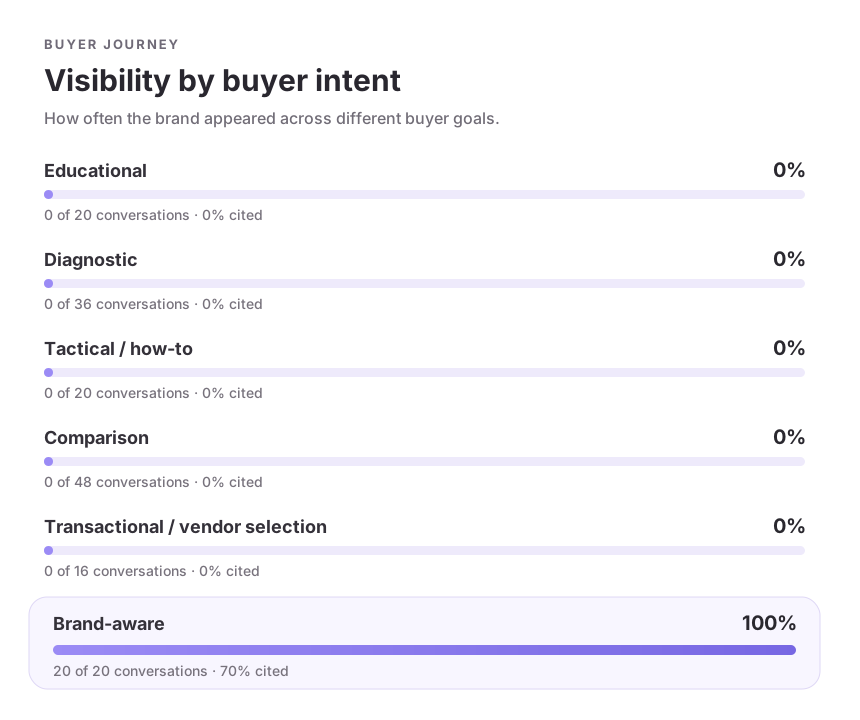
Visibility by buyer intent

What you see

Brand appearance and citation performance across educational, diagnostic, tactical, comparison, vendor-selection, and brand-aware questions.

What it tells you

Where your brand enters or disappears from the buying journey, from early research through shortlist decisions.

Why it matters

Visibility at one stage does not guarantee visibility at another. The breakdown shows which kinds of buyer guidance, category authority, comparison support, or evaluation content are missing.

Viziquo
Viziquo visibility and citation performance by buyer intent

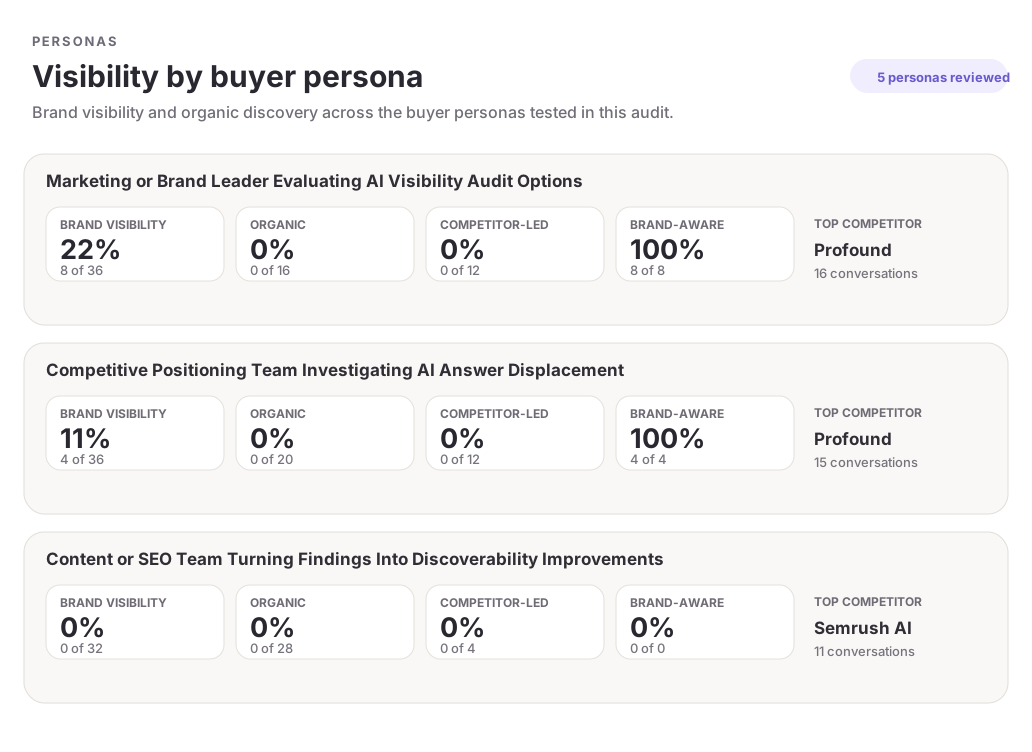
Visibility by buyer persona

What you see

Visibility, organic discovery, competitor-led visibility, brand-aware visibility, leading competitors, citations, and a reviewed interpretation for each buyer persona in the market model.

What it tells you

Which audiences can find your brand, how their discovery patterns differ, who displaces you for each audience, and which sources shape their answers.

Why it matters

An overall result can hide sharply different experiences across marketing leaders, content teams, competitive teams, researchers, and methodology learners. Persona-level findings help each team focus on the buyer context it can influence.

Viziquo
Viziquo visibility analysis by buyer persona

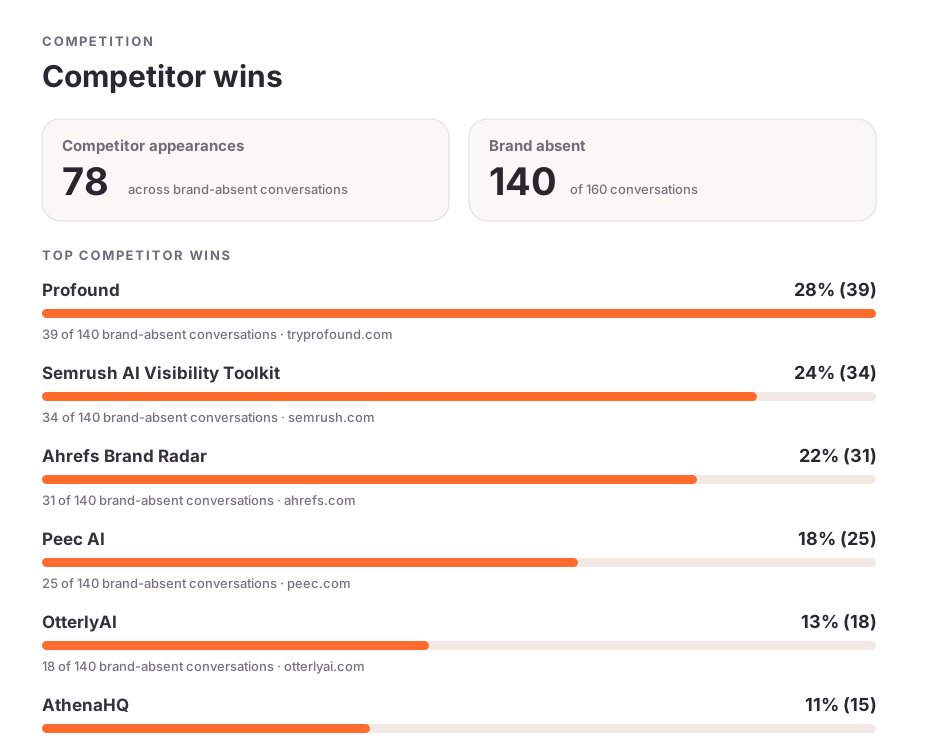
Competitor wins

What you see

How often competitors appeared when your brand was absent, including their share of brand-absent conversations and the domain associated with each competitor.

What it tells you

Which alternatives capture the most missed answer space and whether competitive displacement is concentrated or fragmented.

Why it matters

Teams can prioritize the comparison paths and competitive narratives buyers actually encounter instead of relying on a predefined SEO competitor list.

Viziquo
Viziquo competitor wins across brand-absent conversations

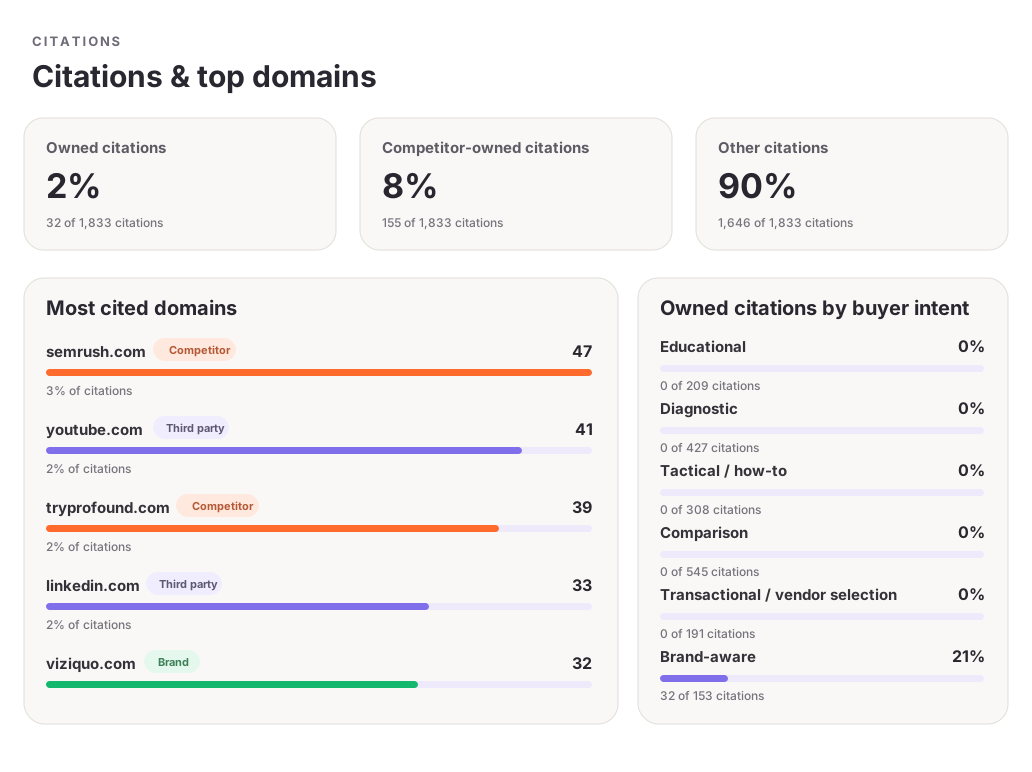
Citations and top domains

What you see

The share of citations going to brand-owned, competitor-owned, and other domains; the most frequently cited sources; and owned-citation performance by buyer intent.

What it tells you

Whose evidence AI assistants rely on when forming their final answers, where your own website contributes authority, and where third-party or competitor sources dominate.

Why it matters

Brand mentions without supporting citations can be fragile. Citation analysis identifies the sources already influencing the category and the buyer contexts in which your evidence is—or is not—being used.

Viziquo
Viziquo citation ownership, most cited domains, and citations by buyer intent

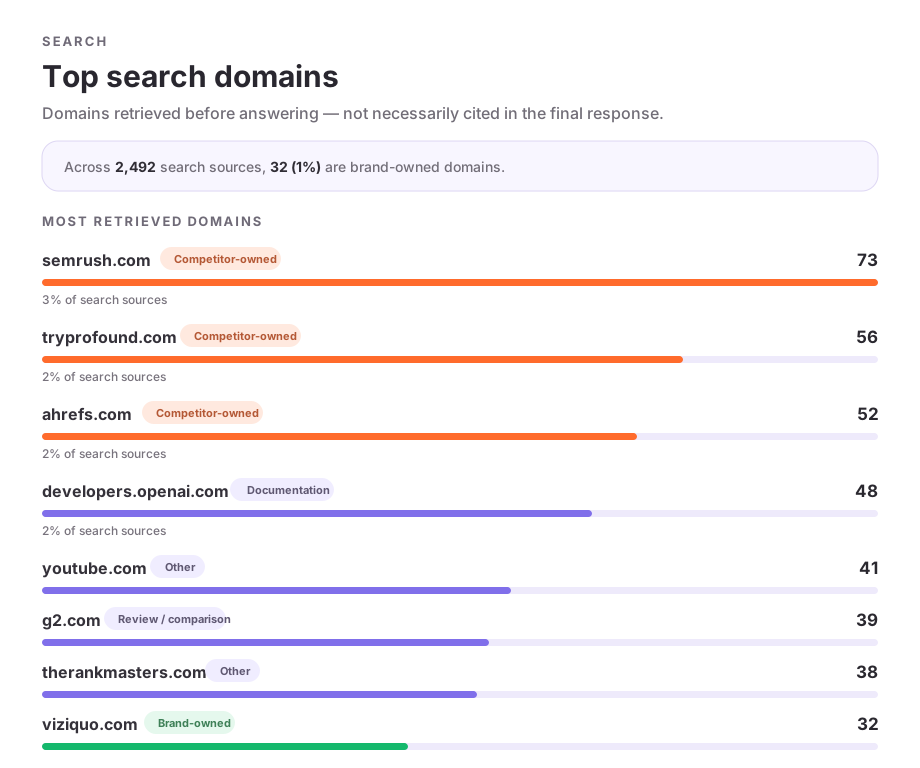
Top search domains

What you see

The domains AI providers retrieved while researching their answers, classified by source type and kept separate from final-answer citations.

What it tells you

Which sources enter the AI research process even when they are not ultimately cited, and how often brand-owned pages are retrieved relative to competitor, documentation, review, community, and other sources.

Why it matters

Retrieval and citation are different stages. Separating them helps teams distinguish a discovery problem—your pages are not being found—from a selection problem—your pages are retrieved but not used as final evidence.

Viziquo
Viziquo top domains retrieved by AI providers before answering

Move from findings into evidence and implementation

The Visibility Analysis connects directly to the rest of Viziquo:

  • Brand Framing examines the tone, narrative, strengths, caveats, and positioning attached to brand appearances.

  • Recommendations provides the full rationale and expected contribution for prioritized improvements.

  • Tasks turns approved recommendations into implementation-ready work.

  • Evidence retains the conversations, answer citations, and retrieved search sources supporting the analysis.

  • Trends compares completed analyses across time once comparable run history exists.

  • Technical Readiness investigates website-level barriers that may affect discovery, retrieval, and citation.

  • Pages investigates URL-level barriers that may affect discovery, retrieval, and citation.

Frequently asked questions

Is Visibility Analysis the same as prompt tracking?

No. Prompt testing supplies the evidence, but Viziquo adds a reviewed analysis of discovery paths, buyer intents, personas, competitors, citations, retrieved sources, and the actions those findings support.

Can we inspect the conversations behind a finding?

Yes. The Evidence area retains the tested conversations, citations presented in final answers, and sources retrieved during AI search.

What is the difference between citations and search sources?

Citations are sources presented with the final AI answer. Search sources are pages retrieved while the provider was researching the answer. Viziquo stores and analyzes them separately.

Can the analysis be shared with marketing leaders?

Yes. The Visibility Analysis can be downloaded as a PDF, while the Executive Dashboard provides a more condensed leadership view of the most important findings and priorities.

First ChatGPT analysis free

Find out what ChatGPT says about your brand.

Share your website. We’ll test real buyer questions specific to your brand in ChatGPT and deliver a reviewed analysis showing where your brand appears, how it is framed, which competitors and sources shape the answers, and what to do next.

Full Viziquo analyses include ChatGPT, Claude, Gemini, and Perplexity.

Free · No credit card needed · Delivered within 3 business days