
Tasks

Turn prioritized findings into work your team can execute

Viziquo converts visibility and brand-framing recommendations into implementation-ready tasks. Each task defines what should be created or changed, why the work is needed, how to approach it, and what must be true for the task to be considered complete.

The strategic reasoning remains connected to the execution brief, helping marketing, content, SEO, brand, and competitive teams move from reviewed analysis to coordinated action.

An execution layer connected to the analysis

Tasks are derived from the recommendations in the selected analysis. They preserve the relationship between an observed visibility or framing problem, the recommended response, and the concrete asset or change needed to carry that response forward.

The audit date and evidence base remain visible, and the full task list can be downloaded as a CSV for planning and handoff outside Viziquo.

Explore

Task list

What you see

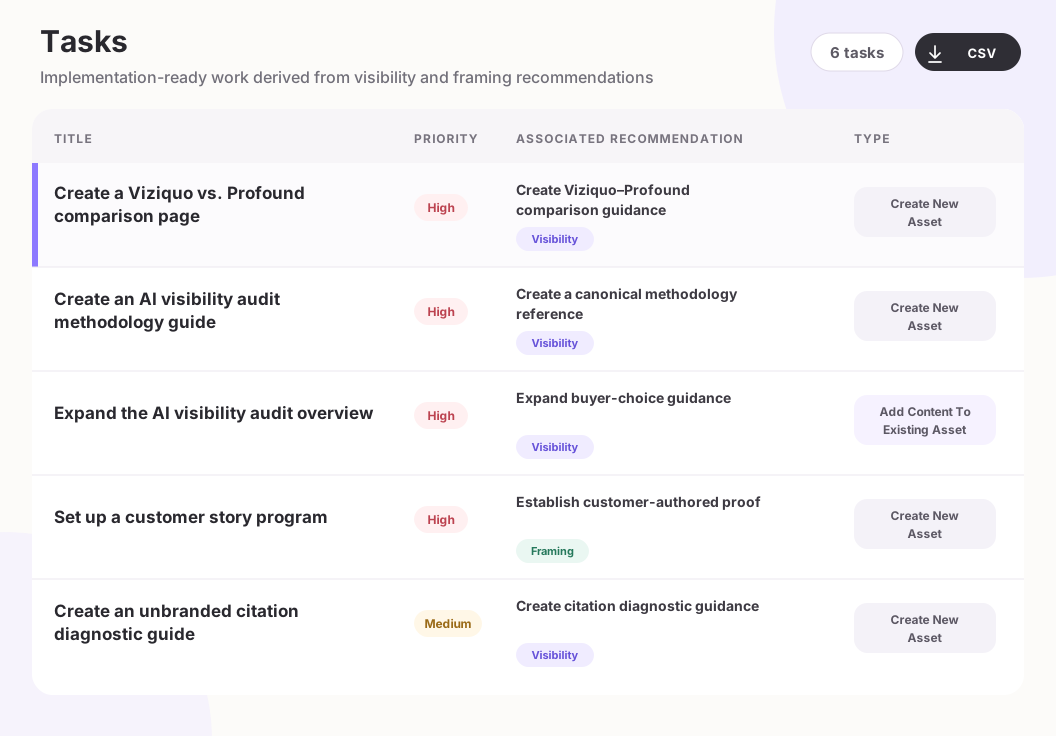
An operational table showing each task’s title, priority, associated recommendation, analysis type, and work type. Work types distinguish new assets from changes to existing assets, while Visibility and Framing labels preserve the origin of the task.

What it tells you

What work is ready to be considered, how urgently it should be evaluated, which strategic recommendation it supports, and whether the assignment calls for creating something new or improving something that already exists.

Why it matters

Teams can sequence and assign work without losing the connection between the deliverable and the analysis that justified it. The CSV export also makes it easier to move the task list into an existing planning workflow.

Viziquo
Viziquo Tasks table showing task title, priority, associated recommendation, analysis type, and work type

Task details

What you see

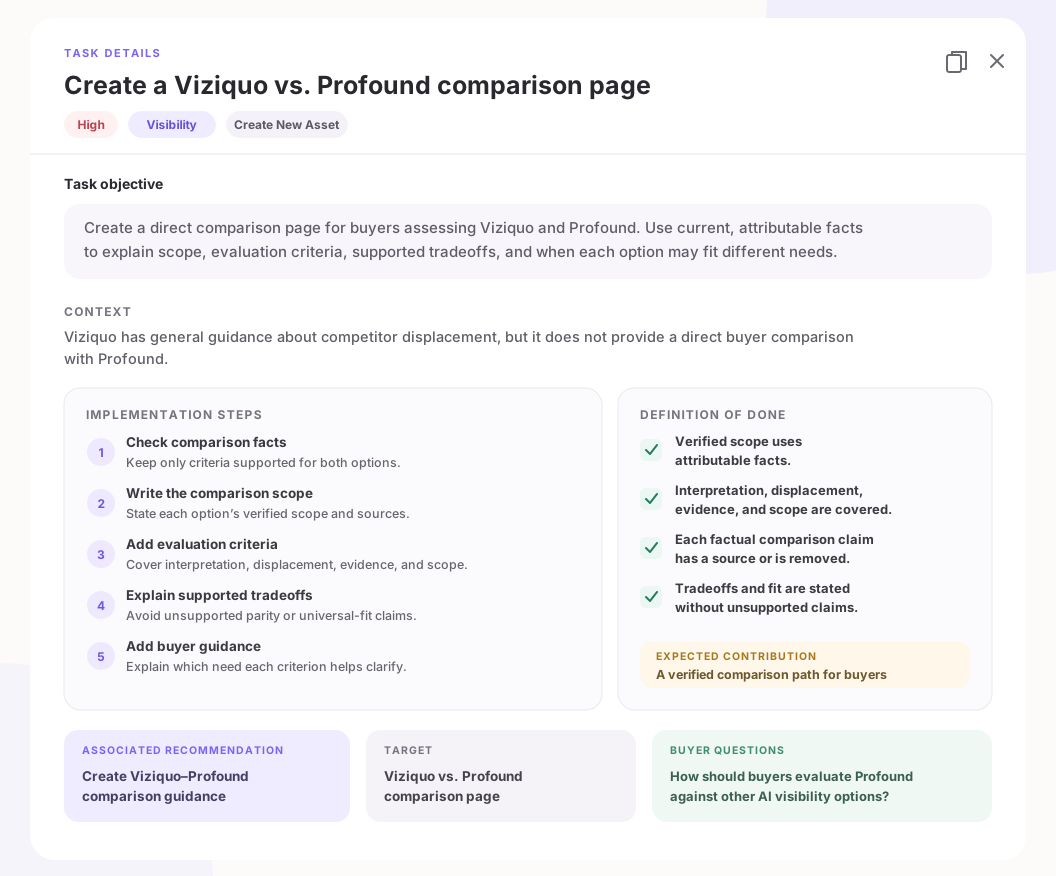
A complete implementation brief containing the task objective, context, ordered implementation steps, definition of done, expected contribution, associated recommendation, target asset, and relevant buyer questions.

What it tells you

What the team should deliver, why the work exists, which constraints or verification requirements apply, how to approach the assignment, and how completion will be evaluated.

Why it matters

The assignee receives enough strategic and practical context to execute responsibly without having to reconstruct the original analysis or guess what an acceptable deliverable should contain.

Viziquo
Viziquo task details with context, implementation steps, definition of done, expected contribution, target, and buyer questions

Keep execution tied to buyer needs

Where relevant, a task includes the buyer questions that helped establish the need for the work. These questions keep the deliverable focused on the evaluation or discovery problem observed in the analysis instead of reducing the assignment to an abstract content topic.

Targets identify the asset or program the task should produce or update. Definitions of done turn the recommendation into verifiable acceptance criteria, while expected contribution states the outcome the work is intended to support without presenting it as a guaranteed result.

Carry evidence-aware guardrails into implementation

Tasks can include factual verification requirements, scope boundaries, and claims that should not be made without support. Those instructions help teams preserve the analytical discipline of the audit during execution—particularly for comparisons, methodology explanations, customer proof, and other work where unsupported claims could weaken credibility.

Move between analysis, strategy, and execution

Tasks connect directly to the rest of Viziquo:

  • Visibility Analysis identifies discovery, competitive, citation, and source patterns that may require action.

  • Brand Framing identifies narrative strengths, caveats, missing associations, and positioning gaps.

  • Recommendations explains the strategic response, its rationale, expected contribution, and supporting evidence.

  • Evidence retains the tested conversations, citations, and retrieved sources behind the analysis.

  • Trends helps teams assess whether comparable results change after work is completed and a new analysis is run.

Frequently asked questions

What is the difference between a recommendation and a task?

A recommendation explains the strategic priority: the observed problem, why it matters, the proposed response, and the evidence supporting it. A task defines the implementation work: the deliverable, context, steps, target, and definition of done.

Does every recommendation have a task?

Not necessarily. Recommendations establish the strategic priorities. Tasks represent the work that has been translated into a concrete implementation brief.

Can we download the task list?

Yes. The Tasks workspace provides a CSV download for the selected analysis.

Do tasks include acceptance criteria?

Yes. Each task includes a definition of done so the assignee and reviewer can evaluate whether the requested work satisfies the brief.

Are tasks limited to creating new pages?

No. The work type indicates whether a task calls for creating a new asset or adding content to an existing asset. Other task targets may reflect the specific recommendation being implemented.

First ChatGPT analysis free

Find out what ChatGPT says about your brand.

Share your website. We’ll test real buyer questions specific to your brand in ChatGPT and deliver a reviewed analysis showing where your brand appears, how it is framed, which competitors and sources shape the answers, and what to do next.

Full Viziquo analyses include ChatGPT, Claude, Gemini, and Perplexity.

Free · No credit card needed · Delivered within 3 business days