Brand Framing

Understand the narrative AI assistants attach to your brand

Being mentioned is only part of AI visibility. Viziquo’s Brand Framing analysis examines what AI assistants say when your brand appears: the role they assign to it, the strengths they repeat, the caveats they introduce, the competitors they favor, and the sources shaping that narrative.

The analysis shows where your intended positioning is reinforced, weakened, or missing across ChatGPT, Claude, Gemini, Perplexity, and the buyer audiences you care about.
Analyze the answers in which your brand appeared

Brand Framing is based on the tested conversations where the brand appeared in the AI answer. The analysis states that evidence base, the providers represented, and the audit date so tone and narrative findings are not presented without context.

You can move directly to each framing dimension and download the reviewed analysis as a PDF for leadership, brand, communications, content, or competitive teams.

Explore

Overview

What you see

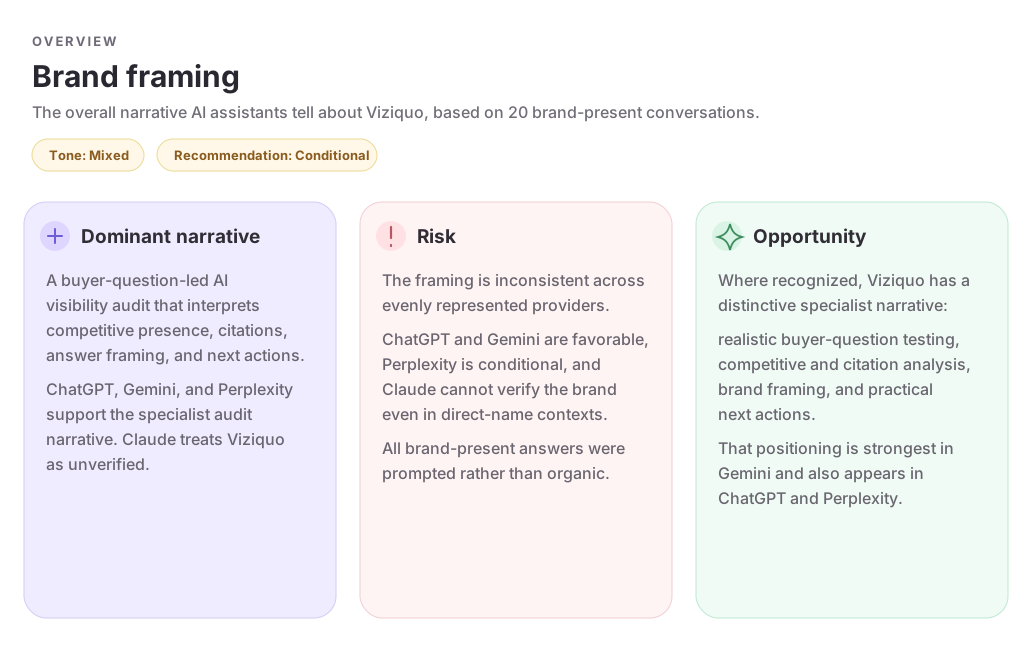
The dominant narrative attached to your brand, the overall tone and recommendation strength, the main risk created by the current framing, and the strongest positioning opportunity.

What it tells you

The central story AI assistants tell about your brand and whether that story is consistent, credible, and aligned with how you want buyers to understand the company.

Why it matters

Leaders can evaluate the narrative as a whole before investigating the provider, persona, competitive, and source-level reasons behind it.

Viziquo
Viziquo Brand Framing overview showing the dominant narrative, risk, and opportunity

Recommendations

What you see

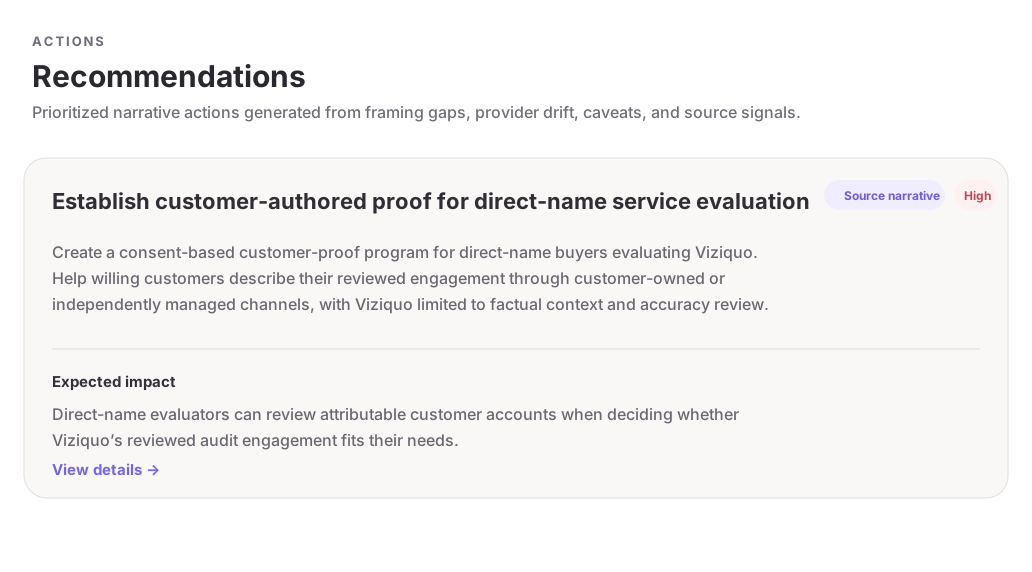
Prioritized narrative actions generated from framing gaps, provider or persona drift, recurring caveats, missing associations, and citation signals.

What it tells you

Which narrative weakness deserves attention, the evidence supporting that priority, and the outcome the recommendation is intended to influence.

Why it matters

Teams receive a defensible next action instead of being left to translate tone and positioning observations into a communications plan themselves.

Viziquo
Viziquo Brand Framing recommendation with narrative priority and expected impact

Positioning and narrative

What you see

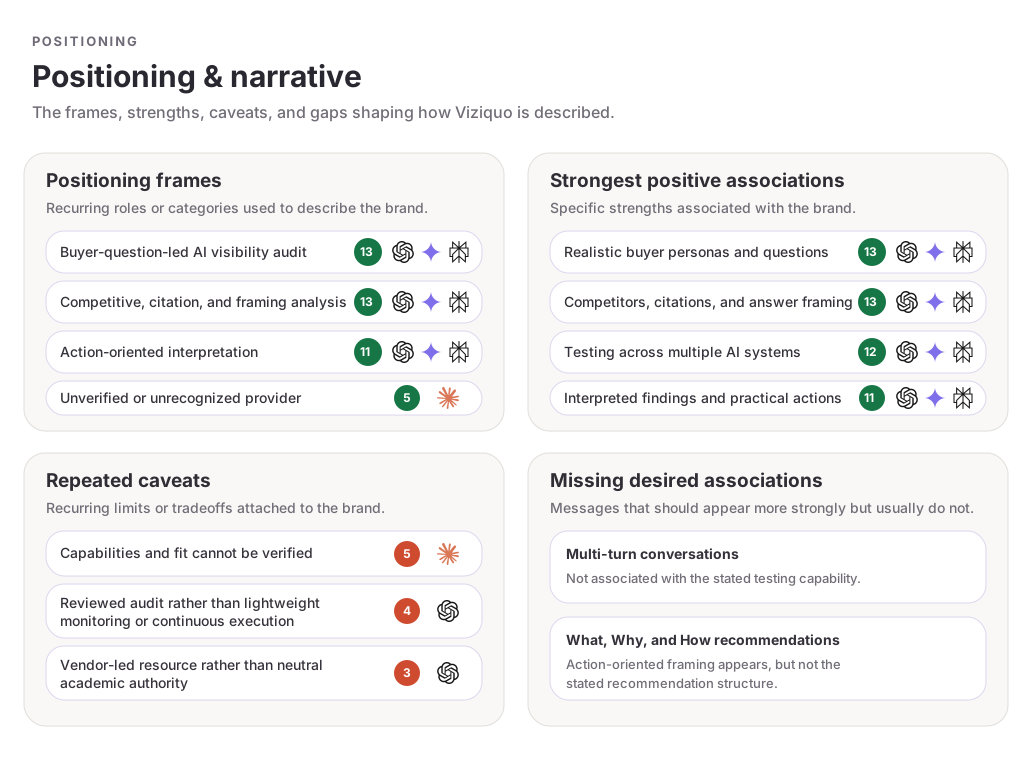
The recurring positioning frames, strongest positive associations, repeated caveats, and desired brand associations that are missing or underrepresented.

What it tells you

Which parts of your positioning AI assistants consistently understand, which qualifications weaken that story, and which messages have not become part of the answer narrative.

Why it matters

Brand and content teams can reinforce an existing strength, address a repeated credibility or fit concern, and distinguish a message that needs more evidence from one that simply needs clearer expression.

Viziquo
Viziquo positioning frames, positive associations, caveats, and missing desired associations

Framing by provider

What you see

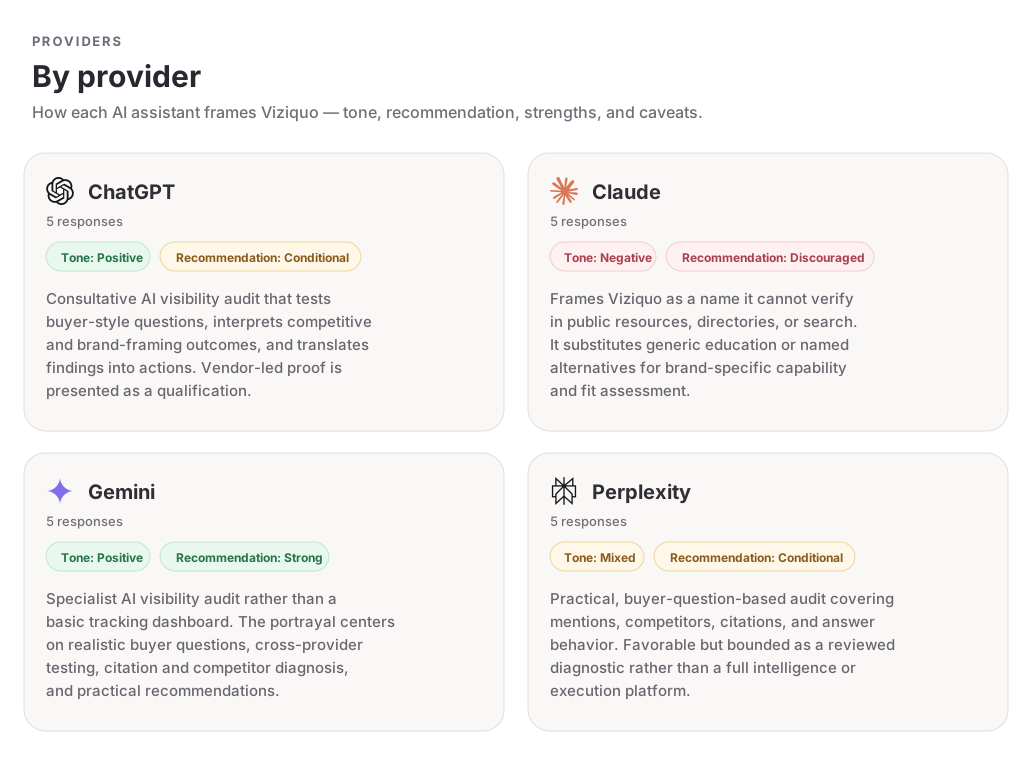
A separate framing profile for ChatGPT, Claude, Gemini, and Perplexity, including response count, tone, recommendation strength, recurring portrayal, and important caveats.

What it tells you

Whether the brand narrative is consistent across AI assistants or changes materially depending on which system answers the buyer.

Why it matters

A blended narrative can conceal a serious provider-specific recognition, credibility, or recommendation problem. Provider-level analysis shows where broad positioning work is appropriate and where a more focused investigation is needed.

Viziquo
Viziquo brand framing profiles for ChatGPT, Claude, Gemini, and Perplexity

Framing by buyer persona

What you see

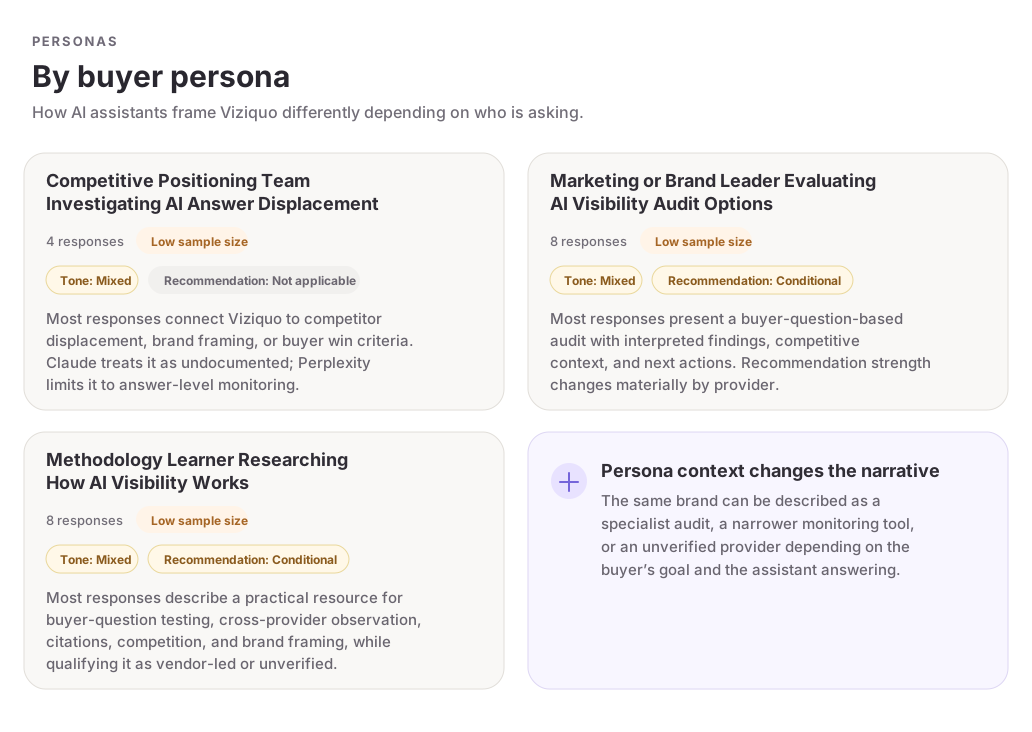
How AI assistants describe the brand for each buyer persona, with the number of relevant responses, tone, recommendation strength, sample-size context, and a reviewed narrative summary.

What it tells you

Whether marketing leaders, competitive teams, practitioners, researchers, or other audiences receive materially different explanations of the brand and its fit.

Why it matters

Positioning succeeds only when it is meaningful to the buyer asking the question. Persona-level framing helps teams identify which audience narratives are working and which need clearer proof or relevance.

Viziquo
Viziquo brand framing by buyer persona

Competitive framing

What you see

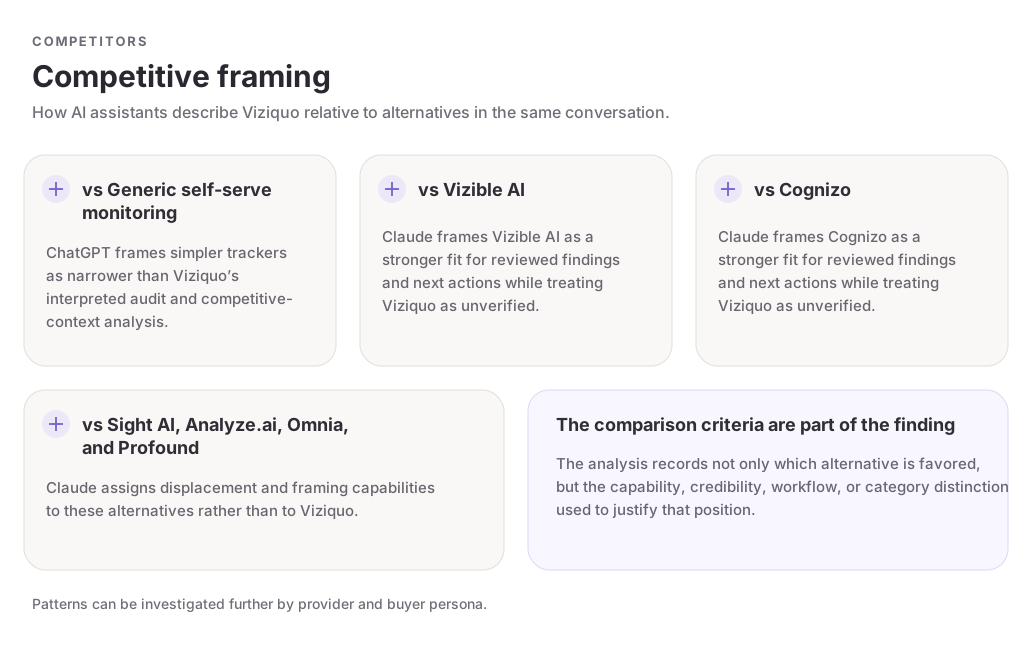
How AI assistants position your brand relative to named competitors or alternative approaches when both appear in the same conversation.

What it tells you

Which capabilities AI assistants assign to your brand, which they give to alternatives, and the criteria they use to distinguish the available options.

Why it matters

Competitive visibility is not only about who appears. The framing determines whether your brand is presented as the stronger fit, a narrower option, an unverified alternative, or a different category of solution.

Viziquo
Viziquo competitive framing relative to alternative products and approaches

Citation sources

What you see

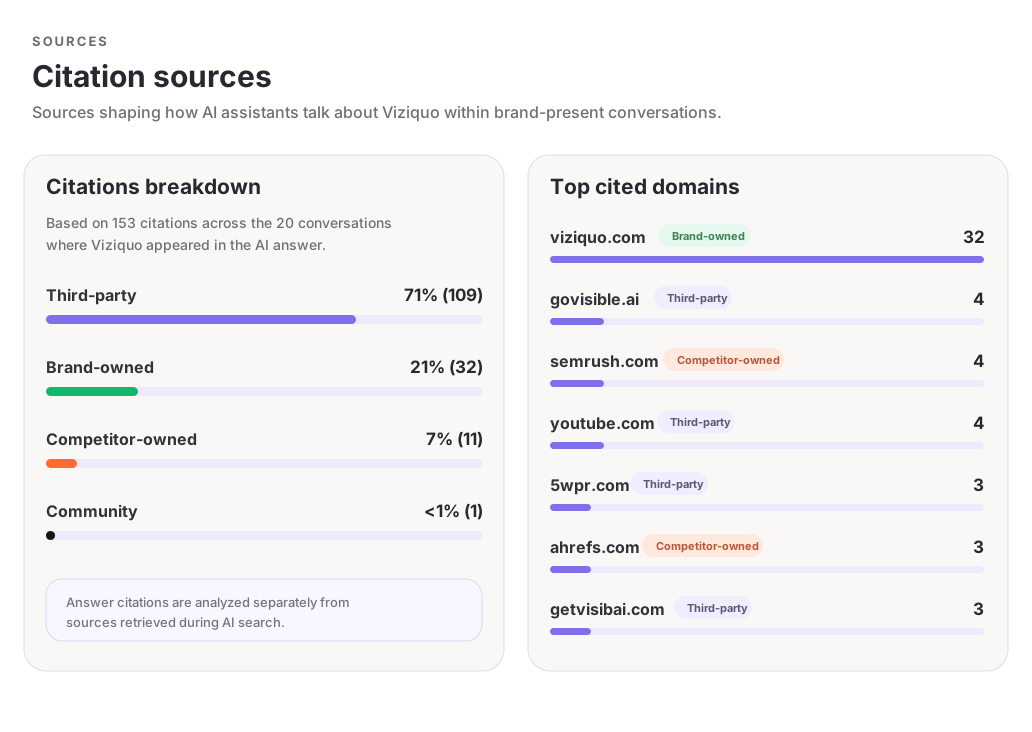
The ownership mix of citations within brand-present conversations and the domains most frequently supporting those answers.

What it tells you

Whether the brand narrative is being supported by your own website, competitor material, independent third parties, or community sources—and which domains have the greatest influence.

Why it matters

A favorable description supported by credible, relevant evidence is more defensible than an unsupported mention. Source analysis shows where the narrative already has authority and where stronger owned or independent proof is needed.

Viziquo
Viziquo citation ownership and top domains shaping brand framing

Move from narrative findings into action and evidence

Brand Framing connects directly to the rest of Viziquo:

  • Visibility Analysis shows where the brand appears, where it is absent, and who captures the missing answer space.

  • Recommendations provides the complete rationale and expected contribution for framing improvements.

  • Tasks turns approved recommendations into implementation-ready work.

  • Evidence retains the conversations and citations supporting each narrative conclusion.

  • Trends shows whether tone, recommendation strength, positioning, and caveats change across comparable analyses.

  • Brand Details makes the intended profile, audiences, competitors, and buyer questions behind the analysis visible.

Frequently asked questions

Is Brand Framing the same as sentiment analysis?

No. Tone is one part of the analysis. Viziquo also examines the dominant narrative, recommendation strength, positioning frames, positive associations, caveats, missing associations, competitive contrast, and citation sources.

Does the analysis include answers where the brand was absent?

The detailed framing analysis is based on conversations where the brand appeared. Visibility Analysis separately examines the conversations where the brand was absent and the competitors that occupied that answer space.

Can we see which AI assistant produced a framing pattern?

Yes. Positioning patterns identify the providers supporting them, and the provider section gives ChatGPT, Claude, Gemini, and Perplexity separate framing profiles.

Can we trace a framing conclusion back to the original answer?

Yes. The Evidence area retains the tested conversations and citations behind the reviewed findings.

First ChatGPT analysis free

Find out what ChatGPT says about your brand.

Share your website. We’ll test real buyer questions specific to your brand in ChatGPT and deliver a reviewed analysis showing where your brand appears, how it is framed, which competitors and sources shape the answers, and what to do next.

Full Viziquo analyses include ChatGPT, Claude, Gemini, and Perplexity.

Free · No credit card needed · Delivered within 3 business days